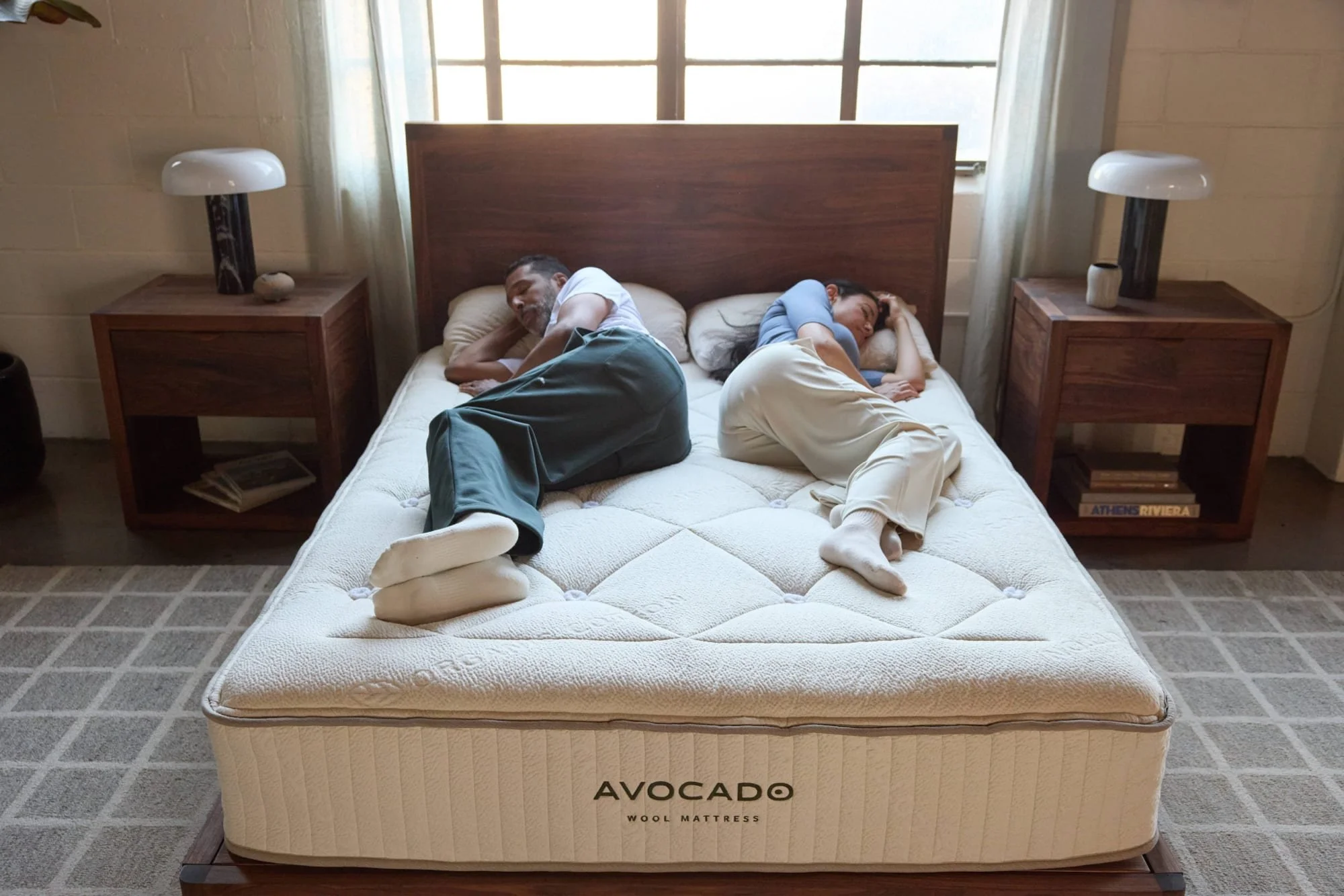
What We Know and What We’re Changing
A mattress is one of the most intimate products you own: you spend a third of your life on it, breathing in whatever it's made of. And it's one of the hardest to dispose of, so what it's made of shapes its impact long after you're done with it.
A note on independence: Sleep for Change was founded by Avocado Green Mattress, and we think you should know that up front. We operate with our own board and editorial mission, and we don't run sponsored content.
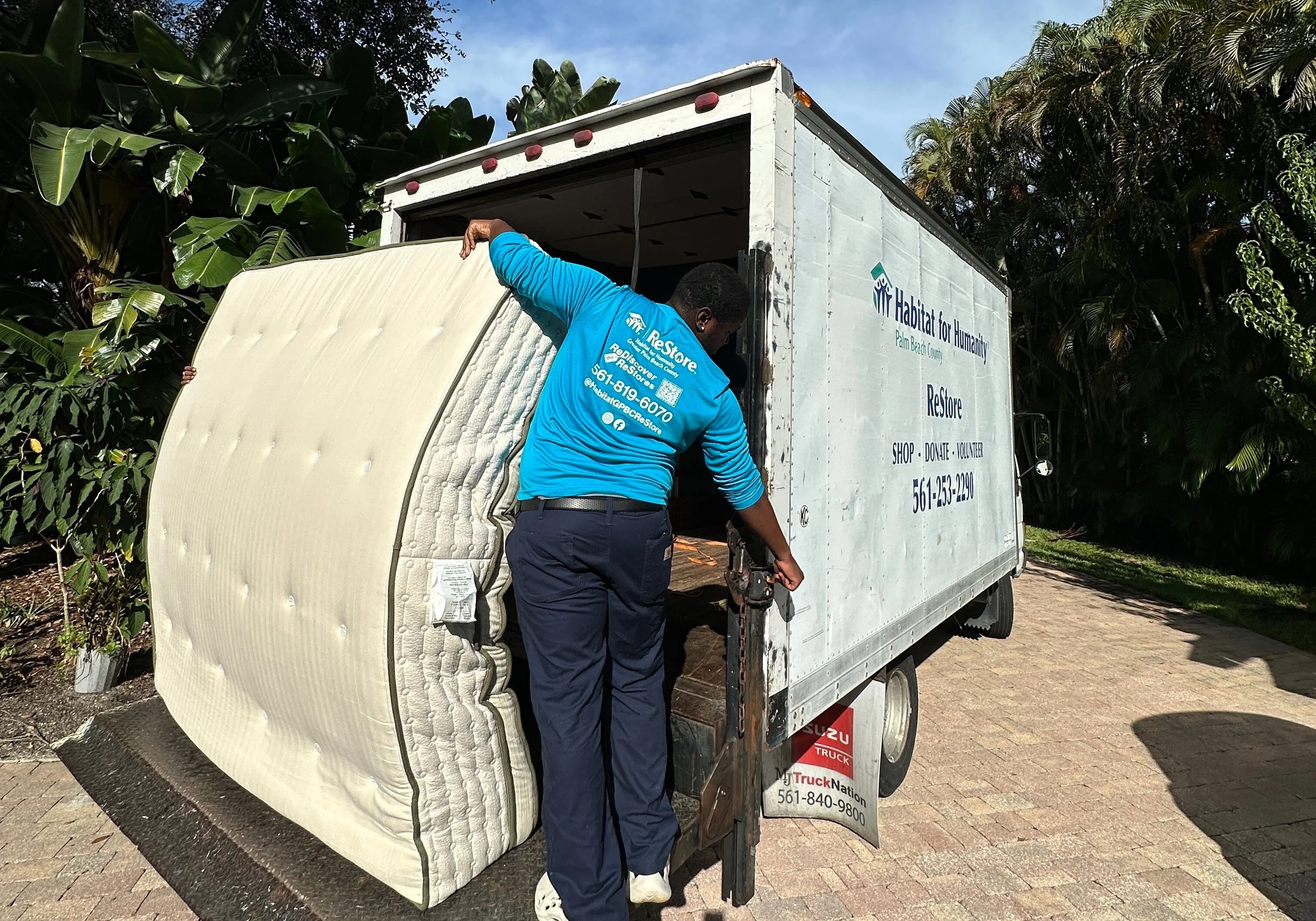
What Actually Happens When You Return a Mattress
The 100-night trial is now standard, and millions of people use them. Very few ask the obvious follow-up. The mattress leaves your house. Where does it go? The answer depends entirely on the company, and most would prefer you didn't ask.
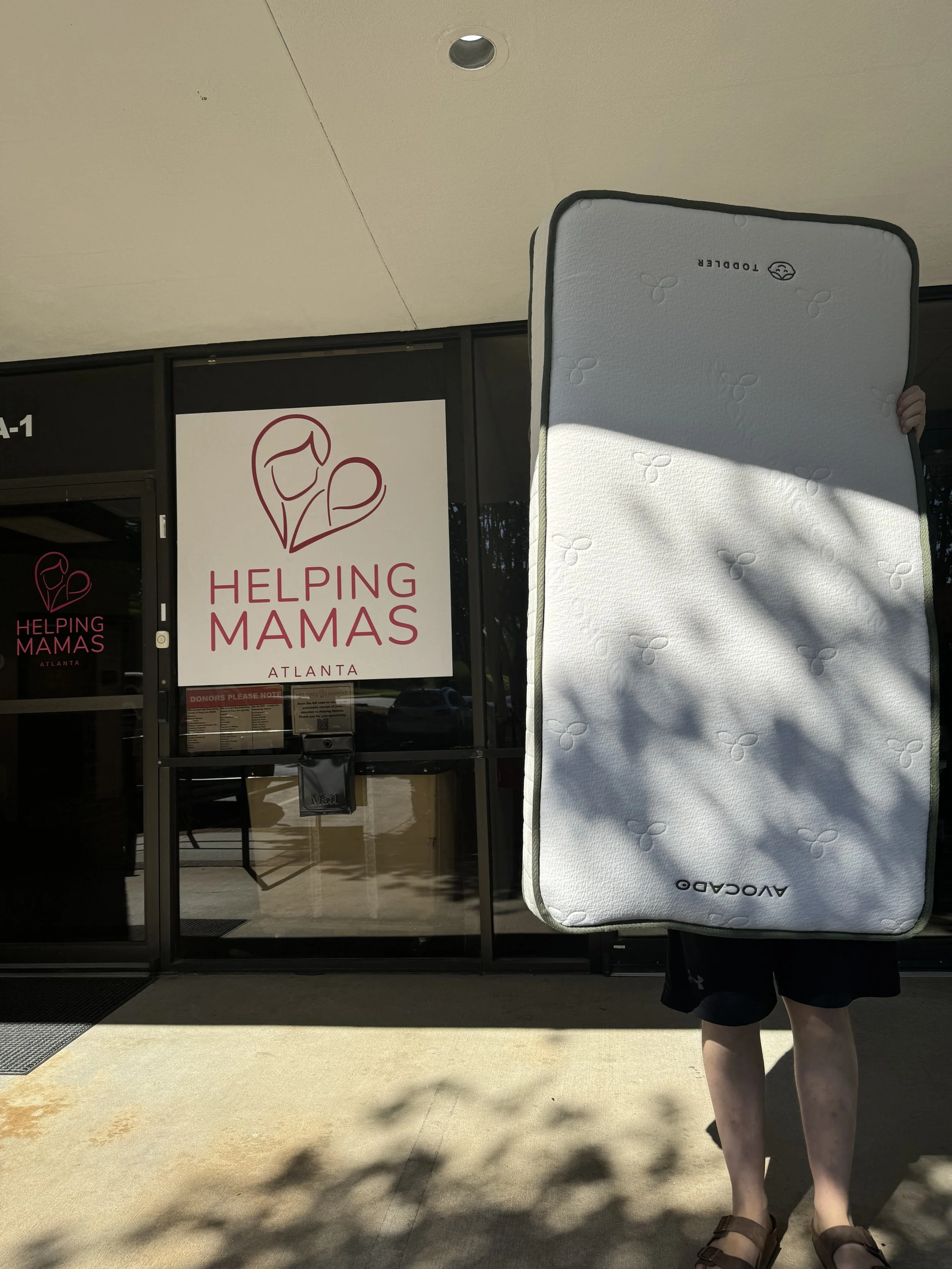
Bed Poverty Has a Name. It Doesn't Have a Count.
There is a term for a household that cannot afford beds for everyone in it: bed poverty. It names the child sleeping on a couch, the siblings sharing a twin. What it doesn't have, in the United States, is a count.
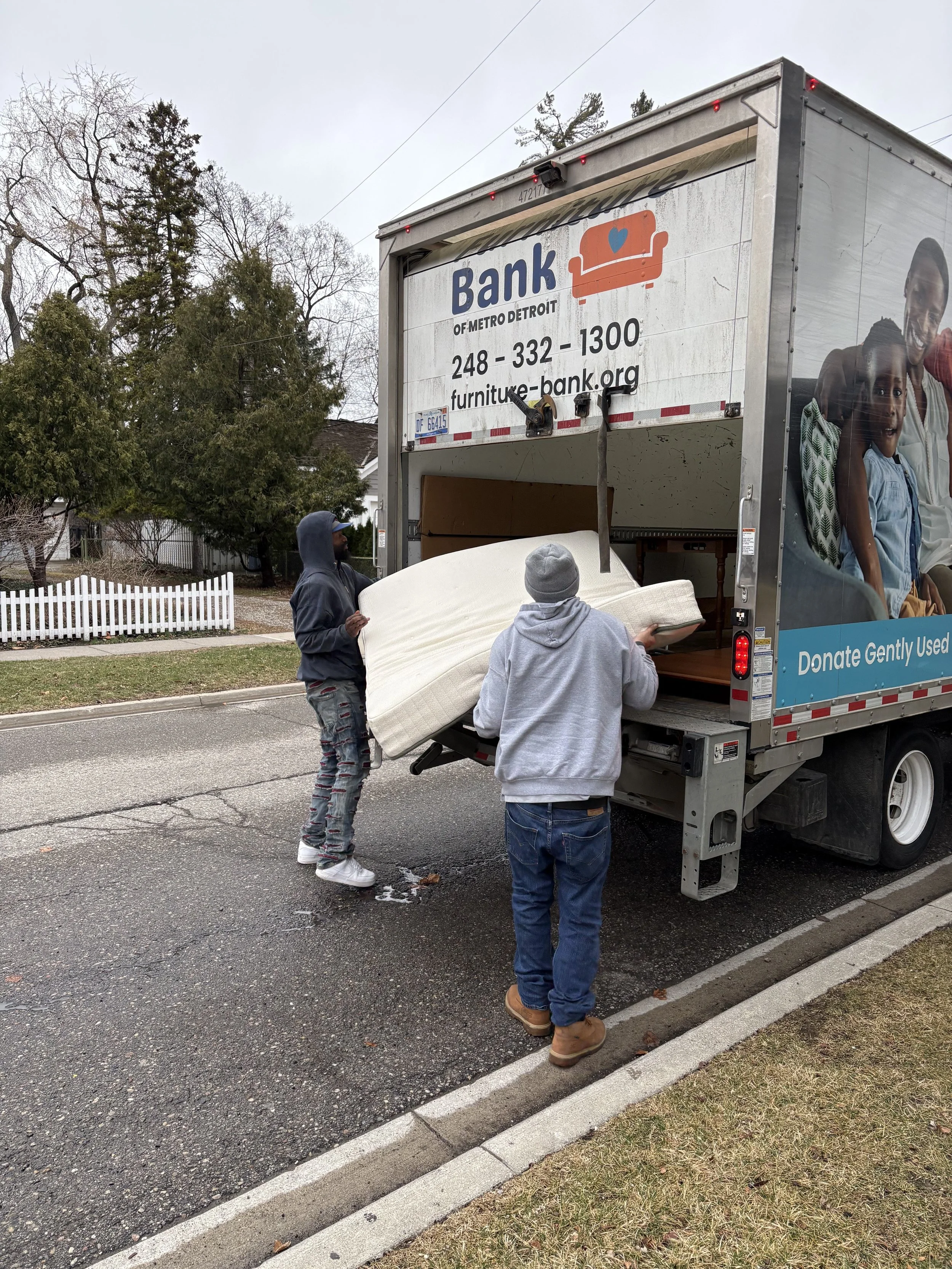
The Landfill Is a Logistics Failure
Every mattress in a landfill arrived there by default. Nobody chose it. The landfill is not where mattresses go because they are worthless. It is where they go when no system exists to sort them in time.
That's pulled directly from the draft's opening, which already does the excerpt's job: states the inversion, no stats needed, and reads cleanly in a blog list view next to the dignity article's excerpt.
We believe a mattress should be good to sleep on and responsible at the end of its life: kept out of the landfill while it's still usable, and made so there's less to throw away when it isn't. That's what we write about here.