When Disaster Strikes, the Network Has to Already Exist
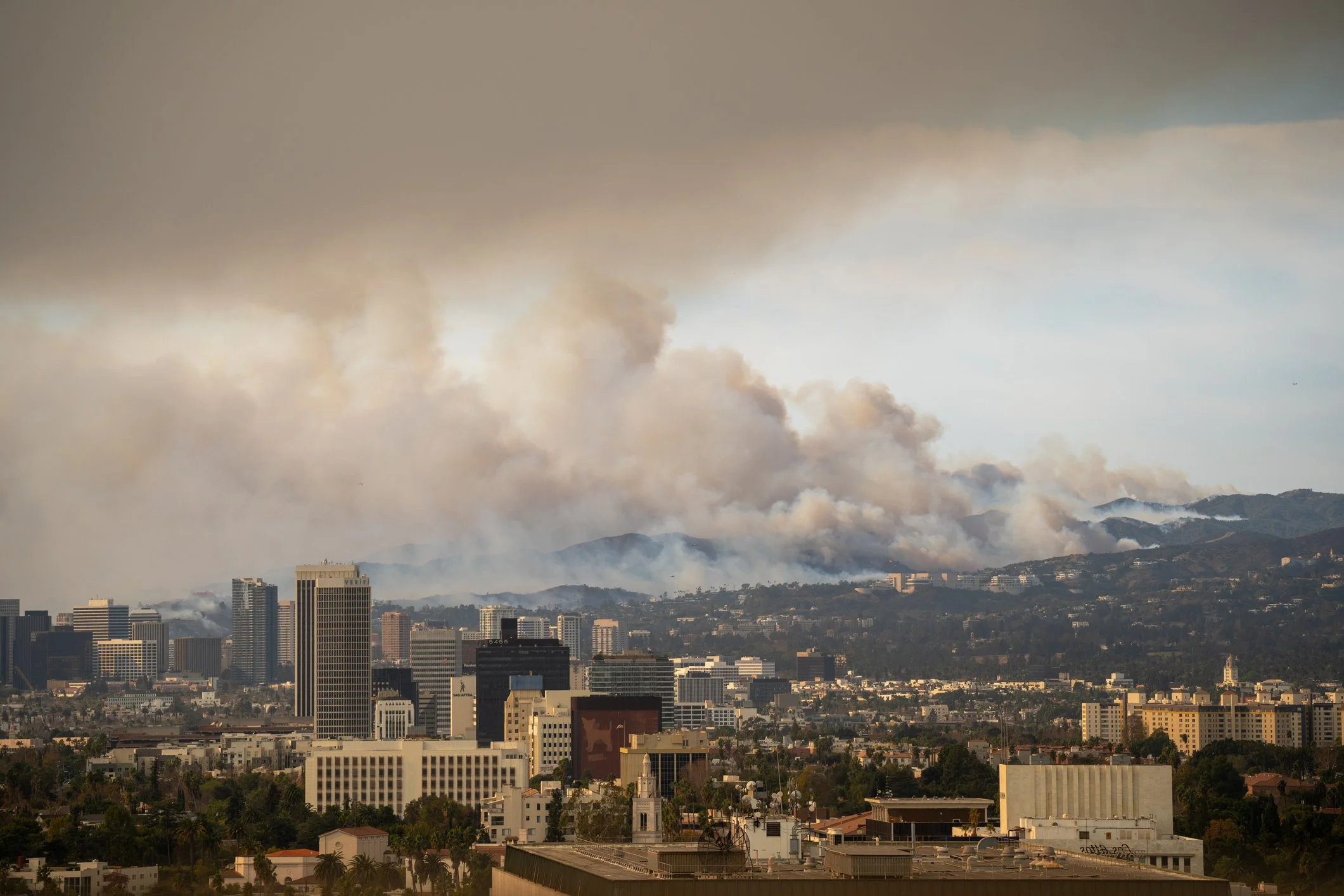
Pacific Palisades Fire, 2025.
What the 2025 Los Angeles wildfires taught us about disaster relief — and why a standing donation network matters before the emergency, not after.
When the wildfires tore through Los Angeles in January 2025, thousands of families lost everything in a matter of hours. Homes, belongings, and the ordinary comforts most of us never think about — including a bed to sleep in. In the days that followed, the need was immediate and overwhelming. People who had just escaped with their lives needed somewhere safe to rest while they figured out what came next.
Relief at that speed is hard. The instinct after a disaster is to start organizing — to gather donations, find partners, and build a way to get help where it's needed. But that work takes time that families in crisis don't have. The difference between help that arrives in days and help that arrives in months usually comes down to one thing: whether the infrastructure to deliver it already existed before the disaster hit.
In Los Angeles, it did.
A fast response, built on years of groundwork
Avocado Green Mattress — the company whose donation program Sleep for Change grew out of — was able to respond quickly because it wasn't starting from scratch. As a company rooted in Los Angeles, with a manufacturing heritage in the city going back decades, Avocado already had a relief program and an established network of nonprofit partners in place when the fires began.
According to Avocado's 2025 Impact Report, the response to the wildfires included 486 mattresses donated and $888,000 in discounts extended to those affected, totaling more than $2.2 million in relief.¹ For the families who received them, that meant a clean, safe place to sleep at the exact moment it mattered most.
The report is direct about why such a fast response was possible: the donation network existed before the disaster. There was no scramble to build partnerships or figure out logistics in the middle of a crisis. The connections, vetted partners, and process for moving good mattresses to people in need were already in place, ready to be put to work the moment they were needed.
You can't build a network during a crisis
That's the lesson worth holding onto. A disaster is the worst possible time to start building the systems that respond to it. By the time the need is visible, the window to help is already closing. Standing infrastructure — relationships with shelters and relief organizations, a reliable supply of eligible mattresses, and a process to match the two — is what turns good intentions into beds delivered.
This is the same network that, throughout 2025, enabled 97.3% of eligible returns to be donated to more than 2,000 vetted nonprofit partners rather than sent to a landfill.¹ The wildfire response wasn't a one-time effort spun up for the occasion. It was the everyday work of an existing network, applied to an extraordinary moment.
Why this is the work Sleep for Change carries forward
Sleep for Change exists to keep that kind of standing network in place — and to expand it beyond a single brand. The infrastructure that responded to the Los Angeles fires shouldn't depend on any one company being headquartered in the right city. The more manufacturers and retailers route their eligible returned and overstock mattresses through a shared, accountable network, the more capacity there is to respond — both to everyday need and to the next disaster, wherever it strikes.
We're building that out deliberately, over time, because doing it right matters more than doing it fast. But the principle is already proven: when a community needs help quickly, the systems that deliver it have to be ready in advance. Every mattress routed through the network in an ordinary month is part of what makes an extraordinary response possible.
The fires were a reminder of how fragile that readiness can be — and how much it matters that someone has done the unglamorous work of building the network before anyone needs it.
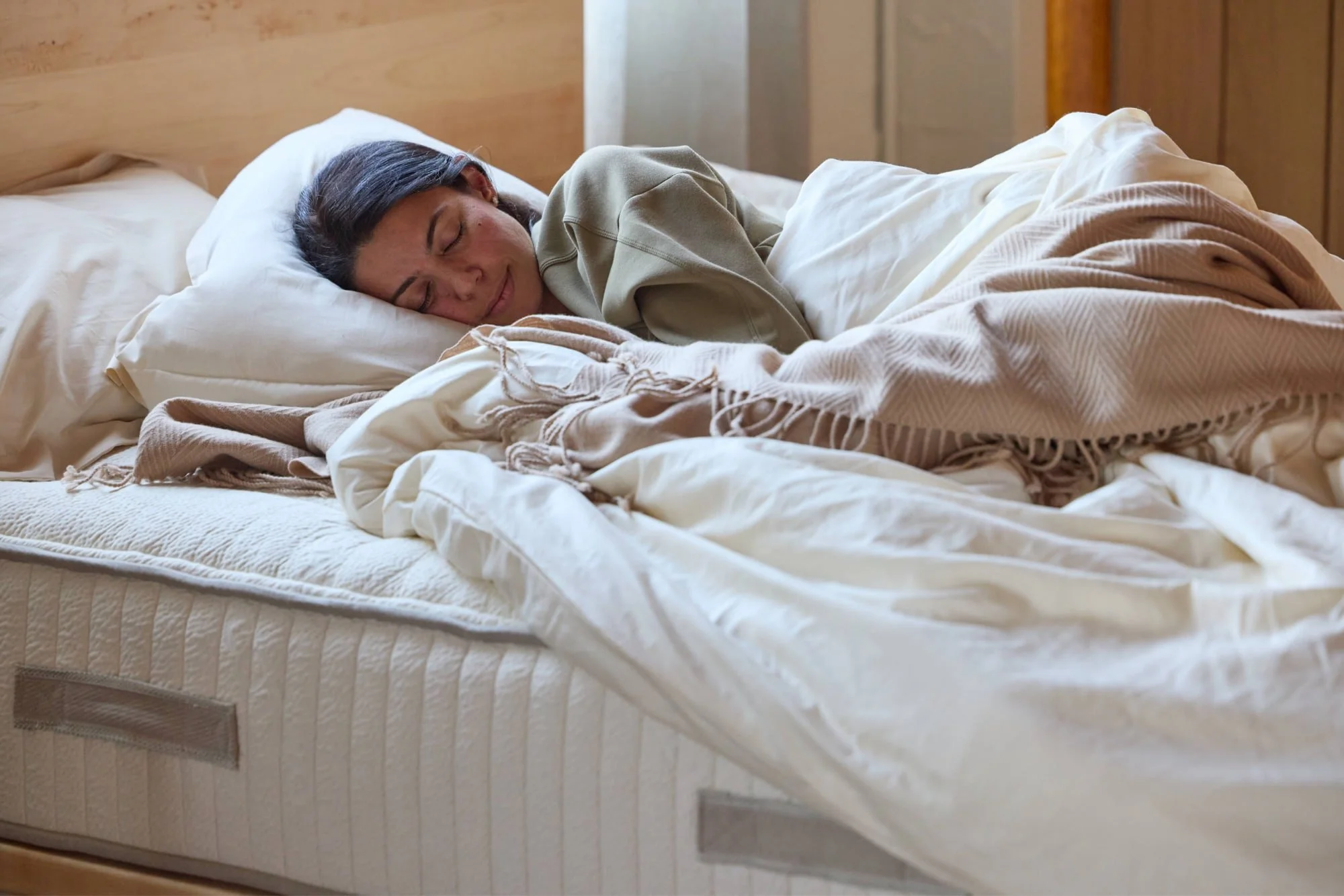
Sleep for Change routes eligible returned and overstock mattresses from manufacturers and retailers to a vetted network of nonprofit partners serving people in need.
¹ Figures from the Avocado Green Mattress 2025 Impact Report. The mattress donation network described here was built through Avocado's program and is the foundation Sleep for Change is built on.