A Mattress’s Life: How It’s Made, Used, and Reused

What Happens to a Mattress Over Its Lifetime?
We don’t often think about where our mattresses come from—or where they go when we’re done with them. But just like everything else we bring into our homes, mattresses have a full lifecycle. And how we engage with each phase of that cycle matters—not just for our health and comfort, but for the planet.
As we rethink our relationship with rest, let’s also rethink our relationship with the things that support it. Investing in a well-made mattress is more than a comfort decision—it’s a vote for the kind of world you want to wake up in. And with a little extra care and consciousness, that investment can pay off in more ways than one.
Let’s walk through the journey of a mattress, from how it’s made to how to part ways with it responsibly.
The Mattress Lifecycle
1. Made to Rest: The Materials Behind Your Mattress
Most mattresses are made from a mix of materials: foam, coils, adhesives, textiles, and flame retardants. Conventional options often rely on petroleum-based polyurethane foam, synthetic fabrics, and chemical finishes that can off-gas VOCs (volatile organic compounds) into the air.
Sustainable mattresses, on the other hand, prioritize natural and certified organic materials. At Avocado, that means:
GOLS-certified organic latex, harvested from rubber trees
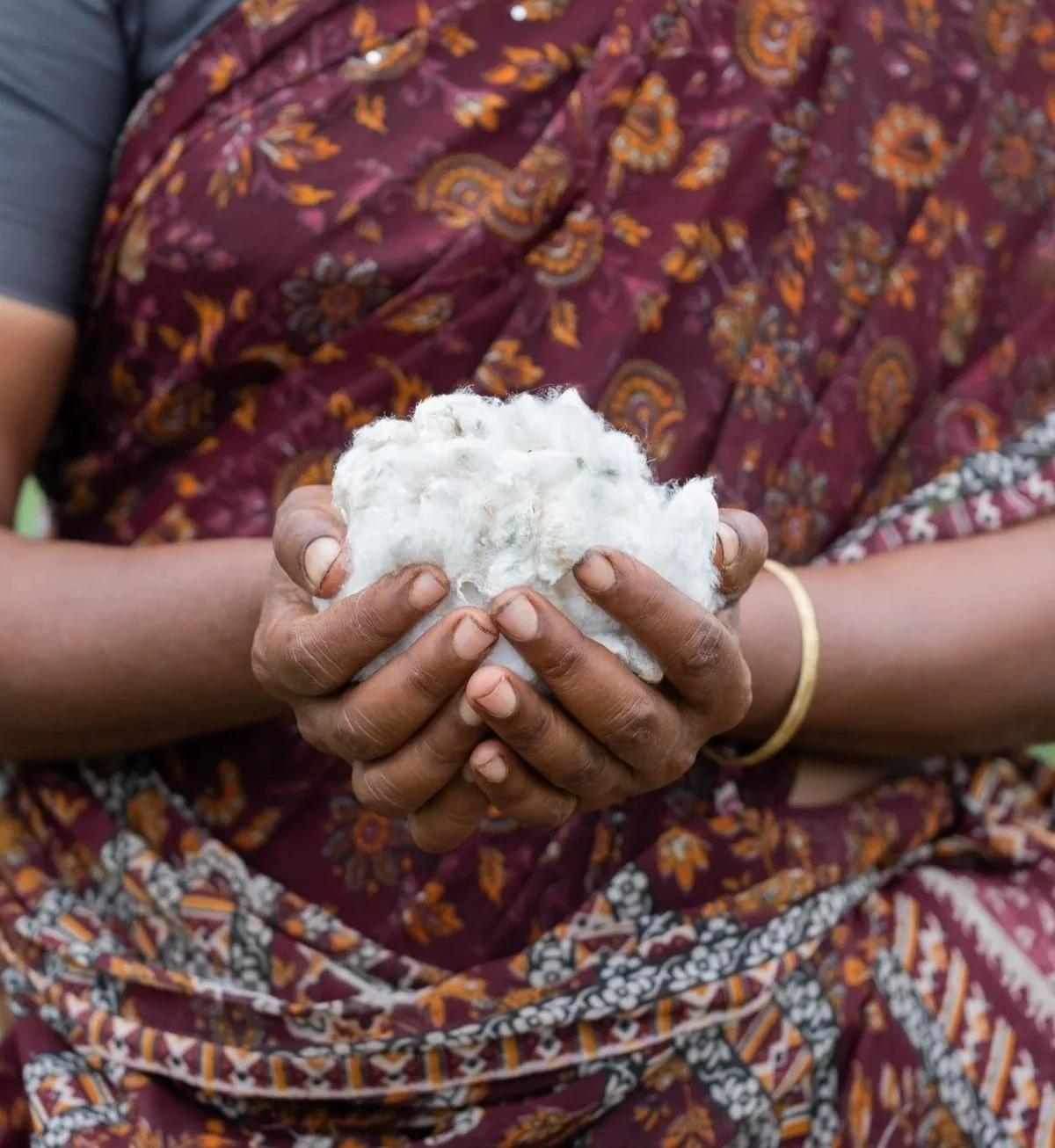
GOTS-certified organic cotton and wool, grown and processed without harmful chemicals
Recycled steel coils, made in our Los Angeles factory
Water-based adhesives and flame retardants that meet the highest safety standards
Choosing responsibly sourced materials reduces environmental impact from the start—limiting the use of fossil fuels, protecting farm workers, and keeping the air cleaner. It also ensures that when your mattress eventually reaches the end of its life, its parts can be more easily repurposed or recycled.
2. From Factory to Front Door
Once a mattress is made, it still has to get to you. Traditional retail models often involve multiple warehouses and shipping steps, increasing emissions along the way. The rise of the bed-in-a-box model helps reduce the environmental toll: mattresses are compressed into compact boxes, reducing shipping volume and fuel use. Less packaging also means less waste.
We also recommend looking into a company’s return and exchange policies. Some brands partner with recycling services to handle returns responsibly, while others may leave customers to figure it out for themselves. Avocado’s take-back and donation partnerships help keep returned products out of landfills.
And while most people don’t consider logistics part of the sustainability equation, it matters. Every mile your mattress travels has a footprint. Choosing a company that manufactures domestically or close to their customer base can help reduce overall environmental impact.
3. Daily Life: Caring for Your Mattress
A well-made mattress should last you 10–15 years. But how you care for it can make a big difference.
Tips for extending your mattress’s life:
Use a breathable, organic mattress protector
Rotate your mattress every few months to prevent uneven wear
Keep it supported with a sturdy bed frame
Spot clean stains with gentle, non-toxic cleaners
The longer your mattress lasts, the less frequently it ends up in the waste stream—which is good news considering the millions tossed in landfills yearly. If your mattress is sagging or no longer providing the support you need, it may be time to move on. But if it’s still structurally sound, simple maintenance can add years to its usable life.
4. The End of the Bed: What to Do When It’s Time to Let Go
Each year in the U.S., up to 50,000 mattresses are landfilled every day, according to the Mattress Recycling Council, where they take up significant space, take decades to decompose, and can leach chemicals into soil and groundwater.
Here are some options to dispose of a mattress more responsibly:
Recycle It
Many states have dedicated recycling programs that break down mattresses into raw materials. Steel coils are melted down, foam is turned into carpet padding, and fibers are reused in insulation or pet bedding. Look up your state’s disposal programs to learn more, and be sure they’re recycling your mattress once they receive it.
Use Bye Bye Mattress or services like Mattress Disposal Plus to find recycling centers near you. Fees vary by region, typically from $20–$50 per item. You can bag and drop off your mattress or arrange a pickup.
Donate ItIf your mattress is still in good condition, some shelters, community centers, or charities like Habitat for Humanity ReStore may accept donations. Always call ahead to check quality requirements.
Retailer Take-Back ProgramsSome companies will haul away your old mattress when delivering your new one. Avocado partners with local recycling services to do just that—making it easier to part ways sustainably.
Get CreativeFeeling crafty? Repurpose clean foam into cushions or pet beds, or donate usable components through neighborhood networks like Freecycle or Nextdoor.